

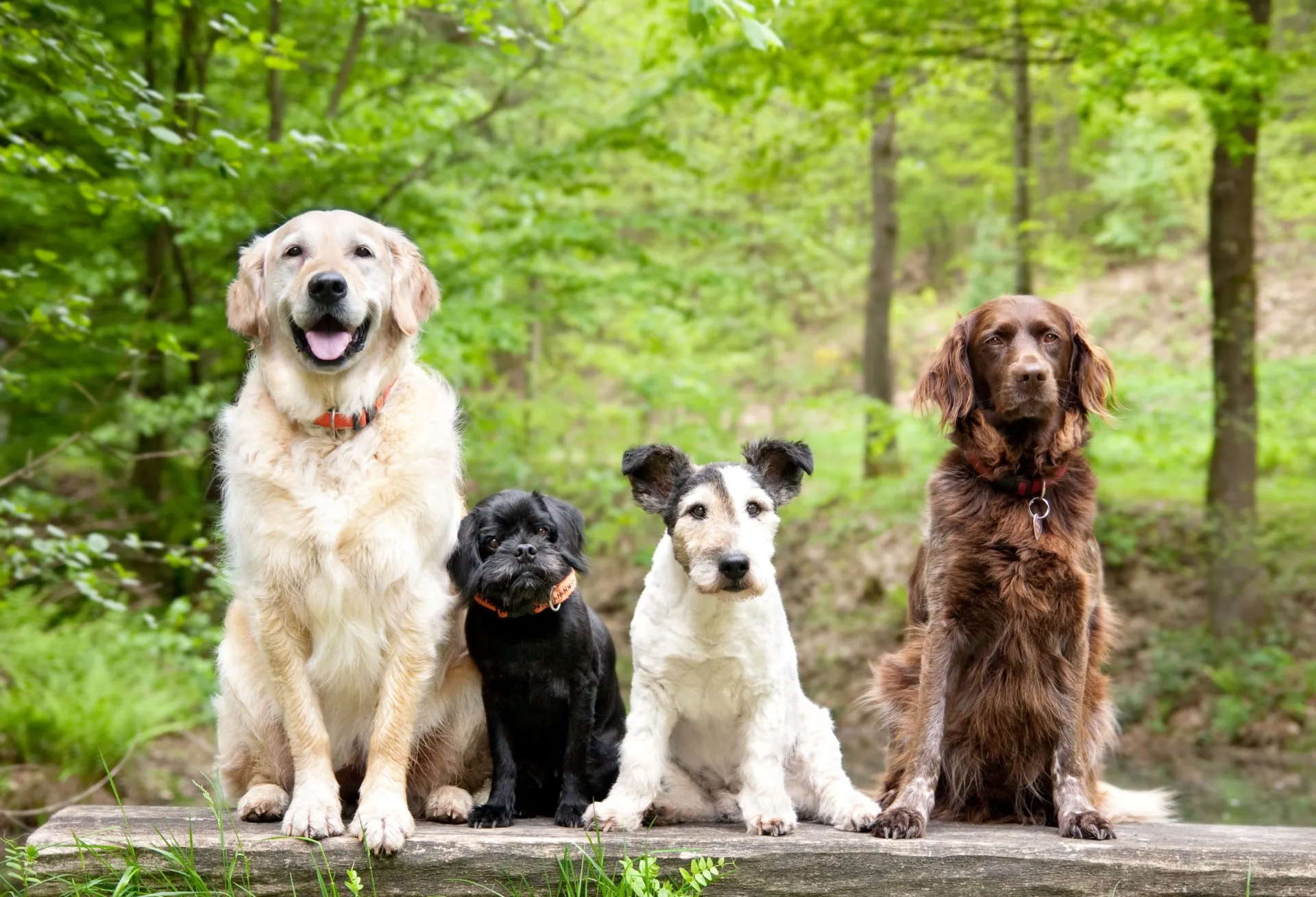

Are you and your furry pals ready for the legendary South Dakota snow and sub-zero wind chills? Winter in the Black Hills is as beautiful as it is brutal. At Dakota Hills Veterinary Clinic, your Rapid City pet clinic, we want to ensure that every pet in your family—from the smallest hamster to the largest horse—stays safe and warm as the temperature drops.
Winter pet care in our region requires more than just a warm blanket; it involves a proactive approach to nutrition, shelter, and environmental safety. We are here to provide the local expertise you need to navigate the coldest months of the year with confidence.
Managing Cold Weather Pet Safety Indoors
When the wind starts howling through the pine trees, the most important part of winter pet care is providing a secure, warm environment inside your home. Ensure that your canine pal and feline friend have bedding that is elevated off cold floors and away from drafty doors or windows. For senior pets with arthritis, the cold can be particularly painful, so consider an orthopedic bed or a pet-safe heated mat to keep their joints limber.
Cold-weather pet safety also means being mindful of indoor heaters and fireplaces; always use a screen to prevent curious whiskers or tails from getting too close to an open flame or hot surface. A cozy home is the first line of defense against the harsh South Dakota winter.
South Dakota Pet Tips for Outdoor Activity
Even during the peak of winter, many of our local pups need to head outside to burn off energy. One of our top South Dakota winter pet tips is to keep outdoor exercise sessions short and frequent rather than one long trek. When the temperature hits extreme lows, exposed skin on the ears, nose, and paw pads can freeze in a matter of minutes. If your pooch has a short coat or is a smaller breed, a well-fitted, water-resistant coat is essential for keeping your pet warm in the snow. Always check your furry friend’s paws after a walk to remove any ice balls that may have formed between their toes, which can cause significant discomfort and even skin damage.
Protecting Paws from Ice Melt and Salt
The chemicals used to de-ice Rapid City sidewalks can be incredibly irritating to a dog’s sensitive footpads. Part of comprehensive winter pet care involves either using protective booties or applying a thick layer of paw wax before heading outside. If your canine buddy refuses to wear shoes, make sure to rinse their paws with lukewarm water as soon as they come back indoors to remove any residual salt. This prevents them from licking the chemicals off their feet, which can lead to stomach upset or even more serious poisoning. Keeping a “paw station” near your front door with towels and a water bowl makes this routine quick and easy for both you and your pup.
Nutrition and Hydration in Freezing Temperatures
It is a common misconception that pets need significantly more food in the winter to “stay warm.” While animals kept primarily outdoors do require extra calories to maintain their body temperature, most indoor pets actually need slightly less food because their activity levels often drop. Our Rapid City veterinarians can help you adjust your furry pal’s portions to prevent unwanted winter weight gain. Hydration is also a critical part of cold-weather pet safety; ensure your pet’s water bowl never freezes, even if it’s in a garage or on a porch. Using a heated water bowl for outdoor animals ensures they have constant access to fresh water.
Caring for Large Animals and Equines in the Black Hills
For those of you with horses or livestock, winter pet care takes on an even larger scale. Keeping large animals warm in snow means providing adequate windbreaks and high-quality forage to keep their internal furnaces running. Horses often drink less water when it is cold, which significantly increases their risk of impaction colic. Using a tank heater to keep water at a palatable temperature is vital.
Regularly check your pet’s body condition under their thick winter coats to ensure they are maintaining a healthy weight. Our Rapid City veterinarians are experienced in large animal care and can help you prepare your ranch or stable for the challenges of a Western South Dakota winter.
Winter Safety for Pocket Pets and Birds
Don’t forget about your smallest furry friends and winged companions when the temperature drops in Rapid City. Small mammals like Guinea pigs and hamsters are very sensitive to drafts and can easily develop respiratory infections if their cage is near a cold window. One of our essential South Dakota winter pet tips for pocket pets is to provide extra bedding so they can burrow and stay warm. For bird owners, maintaining a consistent temperature and humidity in the room is vital, as tropical species are not equipped to withstand the dry, cold air of a South Dakota winter. Moving their enclosure to a central, warm area of your home is a simple way to practice effective cold-weather pet safety.
The Red Cross has a great article on winter safety for dogs, which you can read. Cornell University has a great article on winter dog safety.
FAQS About Winter Care
How do I know if it is too cold for my dog to be outside?
A good rule of thumb for cold-weather pet safety is that if it is too cold for you to stand outside without a heavy jacket, it is likely too cold for your canine companion. Signs that your pup is too cold include shivering, lifting their paws off the ground, or looking toward the door to go back inside. Always err on the side of caution when the South Dakota wind chill is in effect.
Is antifreeze really that dangerous for pets?
Yes, antifreeze is extremely toxic and can be fatal even in very small amounts. Unfortunately, it has a sweet taste that many dogs and cats find appealing. Part of your winter pet care routine should include checking your driveway for leaks and storing all automotive chemicals in a high, locked cabinet. If you suspect your furry pal has ingested even a drop of antifreeze, contact our Rapid City pet clinic immediately.
Should I keep my cat indoors all winter?
We strongly recommend keeping your feline friend indoors during the South Dakota winter. Cats often seek out warm spots, which can lead them to hide under car hoods, where they can be seriously injured when the engine starts. Keeping them safely inside ensures they stay warm and away from the many hazards of the frozen landscape.
Visit Our Rapid City Veterinary Clinic for Winter Wellness
At Dakota Hills Veterinary Clinic, we are here to support you and your pets through every blizzard and cold snap the Black Hills can throw at us. If you have questions about keeping pets warm in snow or need specific South Dakota winter pet tips for your animals, our Rapid City veterinarians are ready to help. We want to ensure that every animal in our community stays healthy and comfortable until the spring thaw. Are you looking for a reliable vet near me to help with your winter pet care? Schedule an appointment at our pet clinic today for a seasonal wellness check. We are proud to be your local resource for all things pet health in Rapid City.
This informational blog is provided for educational purposes only and is not a substitute for professional medical advice. Always consult with your veterinarian for the right medical advice, diagnosis, or treatment plan for your four-legged friend and follow their specific recommendations.
To learn more about Dakota Hills Veterinary Clinic, visit our Services page for an overview of our animal hospital and the services we provide for pets in Rapid City and Black Hills. We offer Wellness and Vaccinations, Pain Management, Boarding, Exercise Rehabilitation, and more. Contact us today!
!Social Media Icons