

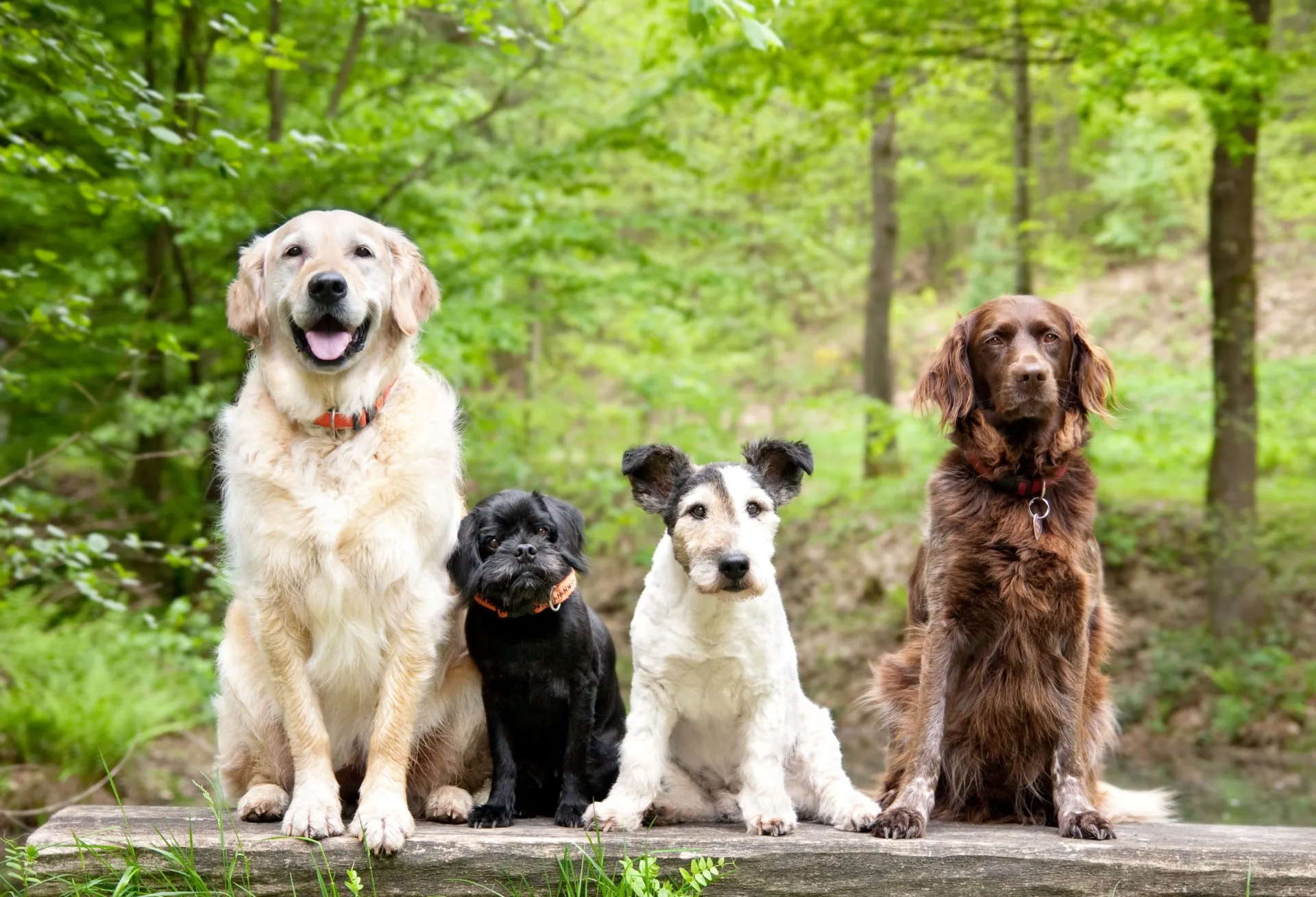

Do you enjoy exploring the rocky outcroppings and sun-drenched trails of Western South Dakota with your canine buddy? At Dakota Hills Veterinary Clinic, your Rapid City pet clinic, we have plenty of adventurous pups on our patient roster. The Black Hills are a paradise for outdoor lovers, but they are also home to some not-so-nice critters, such as the Prairie Rattlesnake.
Understanding rattlesnake safety for dogs is a critical part of responsible pet ownership in our region, especially during the warm months when these reptiles are most active. Our Rapid City veterinarians want to ensure you are fully prepared for a potential encounter so that your adventures remain safe and enjoyable. We are here to provide the knowledge and medical protection your pooch needs to stay safe on the trail.
Recognizing the Risks in the Black Hills
When you are out on a hike, practicing rattlesnake safety for dogs begins with knowing where these snakes are most likely to be found. Prairie Rattlesnakes love to sun themselves on rocks during the morning and hide in tall grass or under brush when the afternoon heat becomes intense. Because dogs are naturally curious and often explore with their noses, they are frequently bitten on the face, neck, or front legs. These areas are particularly dangerous because swelling can quickly obstruct your pup’s airway. It is vital to recognize snake bite symptoms in pets, so you can act immediately if the worst-case scenario occurs during your Black Hills adventures.
The Role of the Rattlesnake Vaccine for Dogs
Many local owners choose to add the rattlesnake vaccine for dogs to their pet’s preventative care routine. This vaccine works by stimulating your pup’s immune system to produce antibodies that can help neutralize the toxin found in Prairie Rattlesnake venom. While the vaccine does not make your canine pal “immune” to the bite, it can significantly reduce the severity of the reaction and buy you precious time to reach our Rapid City pet clinic. We typically recommend this vaccine for dogs that frequent hiking trails, live on ranches, or spend a lot of time in undeveloped areas. Your vet can help you decide if this is a necessary part of your four-legged friend’s medical plan.
Essential Hiking Safety SD Tips for Dog Owners
One of the most effective ways to practice hiking safety is to keep your canine companion on a leash at all times. This prevents your pooch from sticking that cute nose into a crevice or thicket where a snake might be resting. Staying on well-beaten paths and avoiding tall grass or rocky piles also decreases the likelihood of a surprise encounter.
You can also look into “rattlesnake aversion training,” which teaches your canine buddy to recognize the sight, smell, and sound of a rattlesnake and move away instinctively. Being proactive about your environment is the best defense against a dangerous interaction on the trail.
Identifying Snake Bite Symptoms in Pets
If your canine pal is bitten, you may not always see the snake, so knowing the signs of snakebite in pets is absolutely vital. Most bites result in immediate, severe swelling at the site, which is often accompanied by intense pain and visible puncture marks. Your pup might also show signs of lethargy, drooling, and/or rapid breathing, and may even collapse as the venom begins to affect their system. It is a common myth that you should try to “suck out the venom” or apply a tourniquet; these actions can actually cause more harm. The only effective treatment for a venomous bite is professional medical intervention at a veterinary hospital.
Immediate Steps to Take After a Bite
If you suspect your canine friend has been bitten, the most important thing you can do is stay calm. Keeping your pup’s heart rate low by carrying them to your vehicle—if possible—can help slow the spread of the venom through their bloodstream. Head directly to our Rapid City pet clinic or the nearest emergency facility, and call ahead so the medical team can prepare for your arrival. Every minute counts when dealing with a venomous bite, so do not wait to see if the swelling goes down on its own. Our Rapid City veterinary clinic is equipped with antivenin and supportive care to give your pooch the best chance at a full recovery.
Recovery and Post-Bite Care for Dogs
Recovery after a rattlesnake bite can be intensive and often requires several days of hospitalization for monitoring and pain management. We use a combination of antivenin, intravenous fluids, and specialized medications to combat the effects of the toxin and prevent secondary infections.
Once your canine buddy is stable enough to return home in Rapid City, you will need to keep them quiet and strictly limit their activity while the tissue heals. Follow-up appointments are a necessary part of rattlesnake safety for dogs to ensure there are no long-term complications with their blood clotting or organ function. Our team is dedicated to supporting you and your pup through every stage of this stressful process.
The aptly named Living With Snakes website has a piece on keeping dogs safe around snakes. Reno News and Review also covered rattlesnake-avoidance training, which can help keep Fido safe.
FAQS About Rattlesnake Safety
Does the rattlesnake vaccine for dogs work for all snakes?
The vaccine currently used in the United States is specifically designed to protect against the venom of the Western Diamondback. Still, it has shown significant “cross-protection” against the venom of the Prairie Rattlesnake we have here in South Dakota. It will not protect your canine friend from other venomous snakes, such as copperheads or coral snakes, but it is a valuable tool for our specific region. However, you’ll want to talk to your vet before vaccinating your pet, as this may not be the best option for every pup.
What should I do if I see a snake on the trail?
If you spot a rattlesnake, don’t panic. Remember that snakes are generally shy and will only strike if they feel cornered or threatened; giving them plenty of space is the best way to ensure everyone leaves the encounter safely. So what do you do? Stop immediately and slowly back away until you are at least ten to fifteen feet away from the snake. Keep your canine buddy close and do not allow them to bark at or approach the reptile.
Can a “dry bite” happen with a rattlesnake?
Yes, a “dry bite” occurs when a rattlesnake strikes but does not inject any venom into the victim. However, you cannot determine if a bite is dry just by looking at it, and symptoms can sometimes be delayed. You should always treat every rattlesnake strike as a medical emergency and seek immediate care from our Rapid City veterinarians. It is much better to be safe than to wait until your pup is in critical condition.
Visit Our Rapid City Veterinary Clinic for Snake Protection
At Dakota Hills Veterinary Clinic, we are here to help you navigate the unique challenges of living and playing in the Black Hills. If you want to discuss the rattlesnake vaccine for dogs or need more information on hiking safety in SD, our Rapid City veterinarians are ready to provide the answers you need. We want you and your canine companion to enjoy all the beauty of South Dakota without fear. Are you looking for a prepared, experienced vet near you in Rapid City? Schedule an appointment at our pet clinic today to ensure your pooch is ready for the upcoming hiking season. We are your local experts in Black Hills pet safety and emergency care.
This informational blog post is intended for educational purposes only and is not a substitute for professional veterinary advice or emergency care. Always consult with your veterinarian for the right medical advice, diagnosis, or treatment plan for your four-legged friend and follow their specific recommendations.
To learn more about Dakota Hills Veterinary Clinic, visit our Services page for an overview of our animal hospital and the services we provide for pets in Rapid City and the Black Hills. We offer Wellness and Vaccinations, Pain Management, Boarding, Exercise Rehabilitation, and more. Contact us today!
!Social Media Icons